It’s been quite an emotional year hasn’t it? No doubt this year brought with it its challenges on a personal level, and as for the macro level – it seems like many of our most talented people have died and left us reeling. My most shocking was Prince, you? And I’m all for the idea of cryogenically protecting David Attenborough until 2017 by the way..
I’ve been meaning to have a wee rant re the whole “Twelve Pubs” thing.
I know many young (and not so young) people who are about to go on this new-and-not-so-noble tradition of mass alcohol poisoning with a view to consuming at least one unit of alcohol per pub (X12) in a few short hours.
Recently, in my local post office, I found myself on the brink of boredom in a seasonably long queue. But then I noticed a bunch of excited kids clutching their Santa letters – maybe their first ever letter – maybe buying their first ever stamp! Such cuteness! The atmosphere was electric, the excitement deliciously contagious. I found myself smiling, I could practically smell the Christmas pudding… Continue reading →
Less than four weeks to go folks! (I know, I know… sorry..)
Some of us are excited, some of us are sad, some in dread. It’s a tough time, and the only time when we collectively expect ourselves to put on a sparkly show of joy and merriment. That’s a lot of pressure. Continue reading →
If Christmas is in your life, then you will be very familiar with the idea of writing a letter to the big bearded guy. Can you believe it’s writing-to-Santa-time again – already?!
Typically, young kids’ letters are checklists of ‘wants’, along with parent-nudged-politeness like “Dear Santa, hope you are well and have had a good year”, or “I hope Mrs Claus is well” and, ideally, a “thanks so much for last year’s gift I LOVE it! )”
“Genetics and epigenetics are important. Decisions – they are more important.” – HaleyBop
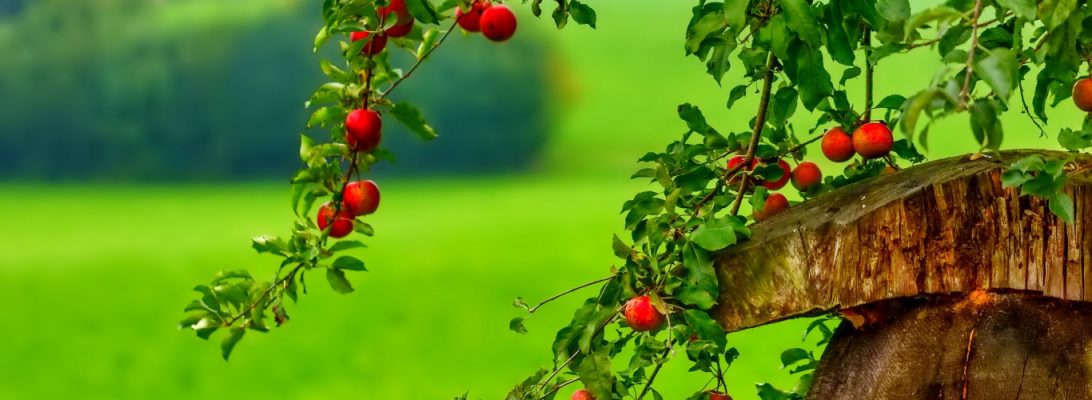
I’ve been pondering recently about the phrase “the apple never falls far from the tree”. We tend to have a lot in common with our parents of course – they are among the first to teach us how to be people! Assuming that the apple never falls far though isn’t always helpful. Sometimes it does fall far though – very far!
I have a bit of a fascination with the origins of words. As I grew up every new word I asked about was explained to me by my mother in terms of its origin – origin, from the Latin ‘Origo’, meaning beginning, source, rise. You get my drift…
The word ‘discipline’ originates from the Latin to teach, or instruct. When the Middle English folk came along it morphed somewhat into the punishment, ‘mortification’ scourge flavour we are more familiar with today.
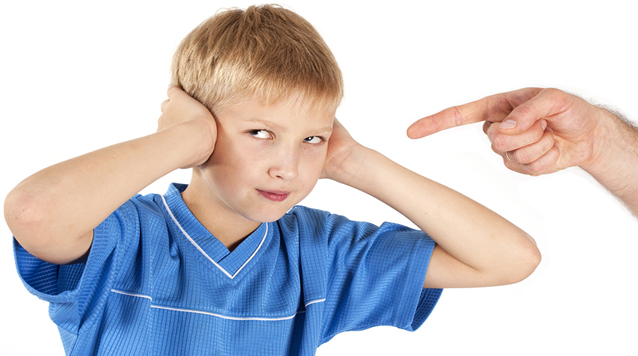
Falling on deaf ears
And I find that the words discipline and punishment (from the French Punir meaning rough handling) are often used interchangeably. Which isn’t a great thing, because we now know that punishment isn’t necessarily a good way to discipline. SoI prefer the original meaning of discipline, it’s more effective as a means of changing or adjusting behaviour in the long term. FAR more effective.
So I wrote a piece on the (real life and practical) differences between discipline and punishment, with some ideas on how to do the former more effectively.
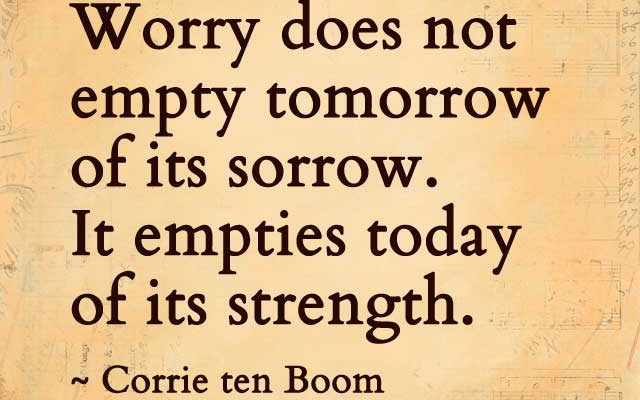
It’s 4am. You’re exhausted, but sleep won’t come. You’re replaying a conversation you had earlier and coming up with things you could’ve said, clever things, better things… and now you worry about the consequences.
[bctt tweet=”Then you move onto that crack in the ceiling – what IS that? Is it settlement? What if it’s a sign that you’re house is built on a sinkhole? #worry #anxiety #4AMdemons #selfhelptips #selfhelptechniques #CBT #dontbelievewhatyouthink” username=”psychosal”]
As long as the thoughts are bad enough to trigger anxiety they get a place in your private 4am terror fest. Been there? Yes…same. It feels awful.
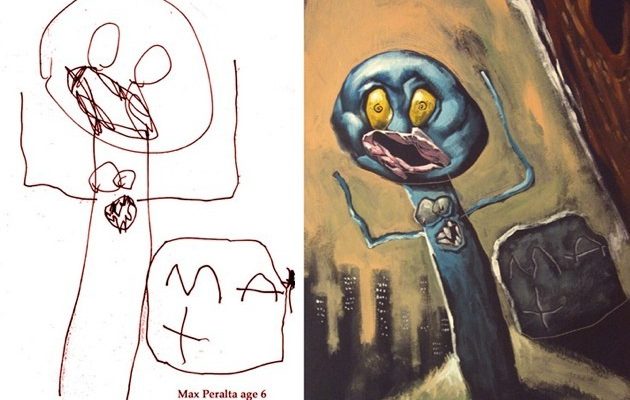
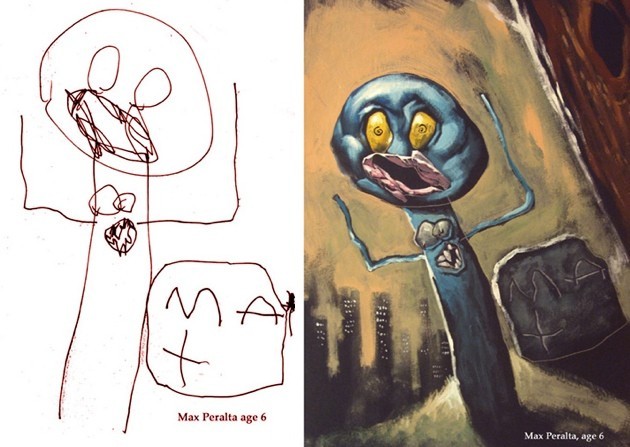
Every now and then I meet a child who has trouble with night-time monsters. Maybe you as a child had one (or a few!) under the bed, in the wardrobe, behind the curtains?
I was catching up on my Facebook messages earlier and this post sent to me by a friend really caught my eye. It’s a meme from one of those humour pages on Facebook. Judging by the comments it resonates with most people and they think it’s really funny! (It is too – I mean who hasn’t waited years for a plumber?!!)